

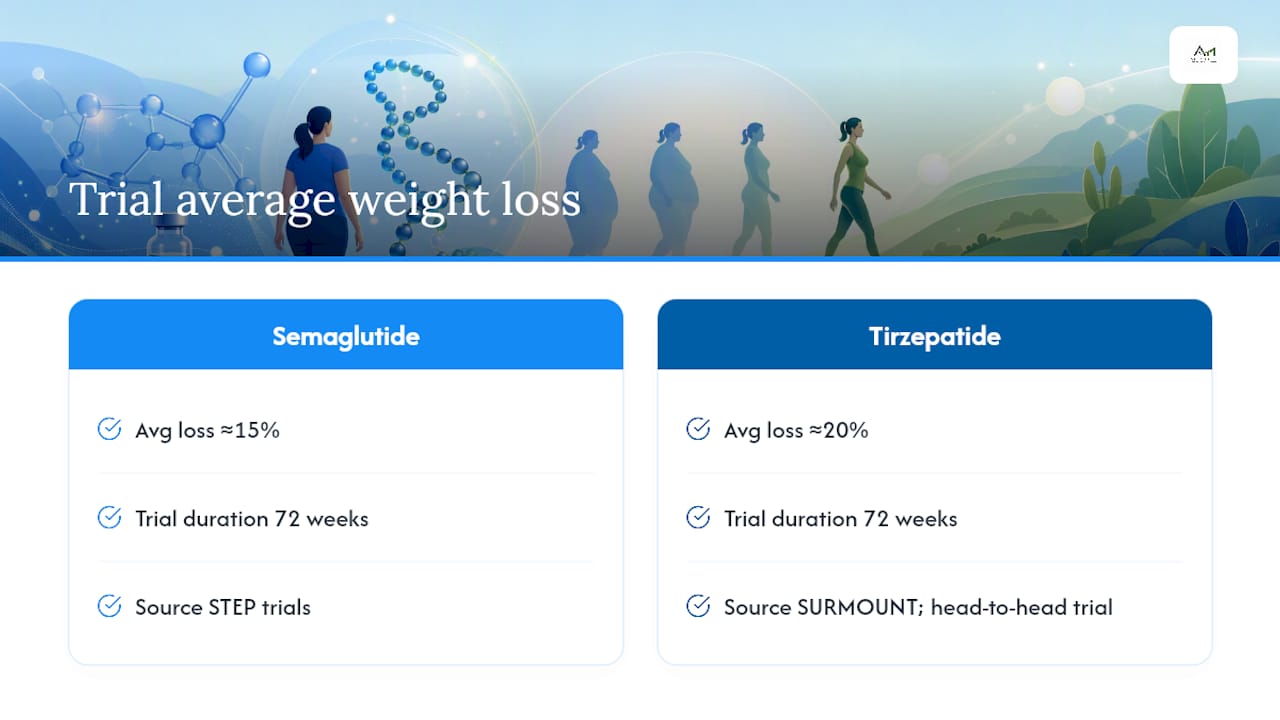
GLP-1 medicines, when prescribed and monitored by a clinician and combined with lifestyle care, can produce clinically meaningful weight loss. Clinical trials put average losses in the range of 15% of body weight with semaglutide and closer to 20% with tirzepatide, though real-world results tend to land lower once you factor in dose tolerance, adherence, and access. The World Health Organization now conditionally recommends GLP-1 therapies for long-term obesity management, but only as part of comprehensive care that includes diet, activity, and professional support, not as a standalone fix.
That last point matters more than most marketing suggests. These are prescription medications with real gastrointestinal side effects, a handful of rare but serious risks, and a well-documented tendency to let weight creep back once you stop taking them.
Before you consider GLP-1 therapy, know this:
- Weight loss is dose-dependent and highly individual. Some patients lose far more than trial averages, others far less.
- Medical evaluation and ongoing monitoring aren't optional extras. They're how side effects get caught early and dosing gets right-sized.
- Certain people, including those with a personal or family history of medullary thyroid cancer or who are pregnant, should not use these drugs at all.
- Stopping the medication without a maintenance plan often leads to significant weight regain.
Key Takeaways
GLP-1 medications produce meaningful, dose-dependent weight loss under physician supervision, but results vary widely and require sustained lifestyle support to hold.
| Point | Details |
|---|---|
| Trial averages set expectations | Semaglutide averages around 15% weight loss and tirzepatide around 20% in clinical trials, with real-world results often lower. |
| GI side effects are manageable | Gradual dose titration and smaller, lower-fat meals reduce nausea and vomiting during the adjustment period. |
| Muscle preservation takes effort | Aim for 1.2 to 1.6 grams of protein per kilogram of body weight and add resistance training two to three times weekly. |
| Contraindications are firm | Pregnancy and a personal or family history of medullary thyroid carcinoma or MEN2 rule out GLP-1 therapy entirely. |
| Discontinuation needs a plan | Stopping without a maintenance strategy commonly leads to significant weight regain over months. |
| Airmedfit offers supervised access | Airmedfit provides physician-supervised GLP-1 treatment with FDA-regulated sourcing, baseline labs, and individualized monitoring. |
Table of Contents
- How GLP-1 for Weight Loss Actually Works in the Body
- How Much Weight Can You Actually Lose on GLP-1 Medication?
- What Side Effects Should You Expect, and Which Ones Are Serious?
- Who Should Consider GLP-1 Therapy, and Who Should Not
- What to Expect When You Start Treatment
- What Does GLP-1 Treatment Cost, and Is It Covered by Insurance?
- How to Protect Muscle Mass While Losing Weight on GLP-1s
- What Happens to Your Weight If You Stop Taking GLP-1 Medication?
- What a Physician-Supervised GLP-1 Program Should Look Like
- Where to Read More on GLP-1 Guidelines and Research
- Why the Conversation Around GLP-1s Needs to Slow Down
- Get Physician-Supervised GLP-1 Care Built Around You
- Frequently Asked Questions About GLP-1 for Weight Loss
- Sources
How GLP-1 for Weight Loss Actually Works in the Body
GLP-1 stands for glucagon-like peptide-1, a hormone your gut naturally releases after eating. GLP-1 receptor agonist medications mimic that hormone at a much higher, sustained dose than your body produces on its own, and that's the whole mechanism in a nutshell.
Three things happen when GLP-1 receptors get activated:
- Appetite suppression in the brain. These drugs act on satiety centers in the hypothalamus, dialing down hunger signals and food cravings well before a meal is finished.
- Delayed gastric emptying. Food sits in the stomach longer, which extends the feeling of fullness. This is also the main reason nausea shows up early in treatment.
- Improved insulin response. GLP-1 agonism boosts glucose-dependent insulin secretion, which is why these drugs started as diabetes treatments before their weight-loss effects became the headline.
Formulation matters here. Weekly injectables like semaglutide and tirzepatide dominate the market because steady blood levels smooth out side effects compared to daily dosing. Oral versions exist but require strict fasting conditions around the dose, which hurts real-world adherence. Some newer agents are dual or triple agonists, meaning they activate GLP-1 alongside GIP or glucagon receptor pathways. Tirzepatide is a dual GIP/GLP-1 agonist, and that added mechanism is a major reason it outperforms single-target semaglutide in head-to-head trials. Understanding which receptor pathways a drug hits helps explain why two medications in the same class can produce noticeably different results on the scale.
How Much Weight Can You Actually Lose on GLP-1 Medication?
Trial data sets the ceiling, and real-world data tells you where most people actually land.
In the SURMOUNT program, tirzepatide produced dose-dependent weight loss up to roughly 20% of body weight, and a direct head-to-head trial found tirzepatide outperformed semaglutide, with participants losing significantly more weight on tirzepatide than semaglutide at 72 weeks. The STEP trials for semaglutide showed average losses in the low double digits range. Stanford Medicine's clinical summary puts it plainly: semaglutide averages around 15% body weight loss, tirzepatide around 20%, with wide variability between individuals. Some patients lose considerably more. Others, for reasons researchers still don't fully understand, respond minimally even at maximum dose.

By the numbers: Tirzepatide's edge over semaglutide in that head-to-head trial wasn't marginal. A roughly 6.5 percentage point difference in average weight loss is the kind of gap that changes which drug a clinician recommends first for a patient with significant weight to lose.
Real-world numbers rarely match trial numbers, and there are concrete reasons why. Clinical trials enroll motivated volunteers who receive intensive counseling, free medication, and frequent check-ins, none of which reflects typical insurance-constrained care. Dose titration gets rushed or delayed based on pharmacy access rather than physiological readiness. Side effects that trial participants tolerate with dietitian support might cause someone else to plateau at a lower dose or quit altogether. Comorbidities like poorly controlled diabetes or thyroid dysfunction can also blunt response.
The timeline follows a fairly consistent pattern regardless of which drug you're on. Most people notice appetite changes within the first two to four weeks, even at low starting doses. Weight loss accelerates through months three to six as titration reaches a therapeutic dose. Then comes a plateau, typically somewhere between month four and month eighteen, where loss slows or stalls even without any change in habits. That plateau is normal physiology, not treatment failure, though it's exactly the point where some patients get discouraged and stop too early.
What Side Effects Should You Expect, and Which Ones Are Serious?
Gastrointestinal symptoms are, by a wide margin, the most common complaint, and they're also the most manageable.
Nausea, vomiting, diarrhea, and constipation show up most often during dose increases rather than at a stable maintenance dose. Clinical guidance published in JAMA Internal Medicine points to gradual titration as the single most effective tool for keeping these symptoms tolerable, alongside simple dietary adjustments.
Pro Tip: Eat smaller, lower-fat meals in the days after a dose increase, and avoid lying down for at least two hours after eating. Both cut down on reflux and nausea significantly during the first weeks at a new dose.
Beyond the GI symptoms, two areas deserve real attention that often get glossed over:
- Muscle and bone loss. Rapid weight loss on GLP-1 therapy pulls from lean mass as well as fat, sometimes substantially, if protein intake and resistance training aren't part of the plan.
- Injection site reactions. Mild redness or irritation is common and usually resolves with rotation of injection sites; it's rarely a reason to stop treatment.
Then there's the smaller set of rare but serious risks that warrant real caution: pancreatitis, gallbladder disease, and acute kidney injury tied to dehydration from severe vomiting or diarrhea. Animal studies have also shown thyroid C-cell tumors at high doses, which is why anyone with a personal or family history of medullary thyroid carcinoma is excluded from these drugs entirely.
Watch for these red flags: Severe, persistent abdominal pain (possible pancreatitis), yellowing skin or eyes, signs of dehydration like dizziness or dark urine, or a lump in the neck. Any of these calls for urgent medical evaluation, not a wait-and-see approach.
Who Should Consider GLP-1 Therapy, and Who Should Not
Eligibility isn't a single number on a scale. It's a clinical judgment that weighs weight, health history, and goals together.
- General eligibility patterns. Most prescribing follows a BMI of 30 or higher, or 27 and above with a weight-related condition such as type 2 diabetes, hypertension, or sleep apnea. These are starting points for a conversation, not hard cutoffs that guarantee or deny treatment.
- Absolute contraindications. Pregnancy rules out GLP-1 use entirely, as does a personal or family history of medullary thyroid carcinoma or multiple endocrine neoplasia syndrome type 2 (MEN2). These aren't judgment calls; they're firm stops.
- Relative precautions requiring closer monitoring. A history of pancreatitis, active gallbladder disease, or significant gastroparesis all warrant extra caution and sometimes a different treatment path entirely.
- Special populations. People with type 2 diabetes often see dual benefit from GLP-1 therapy, since it improves both glucose control and weight. Those with chronic kidney disease or multiple comorbidities need more frequent lab monitoring and slower titration, since their margin for tolerating dehydration or GI illness is thinner.
What to Expect When You Start Treatment
Physician-supervised GLP-1 care follows a fairly predictable rhythm, and knowing it up front takes a lot of the anxiety out of starting.
Titration always begins low and increases slowly, usually every four weeks, specifically to give your GI system time to adjust before the next dose bump. Clinicians judge tolerability at each step; if side effects are significant, they'll hold at a dose longer rather than push forward on a fixed schedule.
Before the first dose, a competent program runs baseline labs: a comprehensive metabolic panel, kidney function markers, and A1c if diabetes or prediabetes is a factor. Pregnancy testing is standard for anyone who could become pregnant, given the contraindication. These aren't formalities. They catch conditions that would change the treatment plan entirely.
Follow-up visits typically happen at each dose increase and then at regular intervals once you reach a maintenance dose, often monthly at first and spacing out as things stabilize. At each visit, a good clinician tracks:
- Weight trend and percent change from baseline
- Side effect severity and whether dose adjustments are needed
- Lab values relevant to kidney function and metabolic health
- Whether the current dose or drug is still the right fit
If weight loss stalls well below expected ranges despite good adherence, or side effects remain intolerable across multiple dose levels, that's when clinicians reconsider the drug choice or the overall approach rather than just pushing the dose higher.
What Does GLP-1 Treatment Cost, and Is It Covered by Insurance?
Cost is often the deciding factor, and it varies more than most people expect.
List prices for brand-name GLP-1 medications commonly run into the hundreds of dollars per month without coverage, though manufacturer savings cards can bring that down substantially for eligible patients. Insurance coverage is inconsistent: some plans cover GLP-1s readily for diabetes but require extensive prior authorization for weight-loss-only prescriptions, and some don't cover the weight-loss indication at all.
Medicare's coverage landscape has been shifting, and Medicare's own bridge program page is worth checking directly, since eligibility and plan-specific rules change and vary by plan type.
A few practical points worth knowing before you start shopping for a provider:
- Prior authorization often requires documented BMI, failed attempts at lifestyle intervention, or a qualifying comorbidity diagnosis.
- Manufacturer savings programs can meaningfully lower costs for commercially insured patients, though they typically exclude those on Medicare or Medicaid.
- Compounded versions of these medications have circulated widely, but sourcing from unverified online sellers carries real risk: inconsistent dosing, contamination, and no documented chain of custody.
- FDA-regulated prescribing through a licensed provider with a traceable supply chain is the safer route, even when it costs more than a compounded alternative.
How to Protect Muscle Mass While Losing Weight on GLP-1s
Rapid appetite suppression makes it easy to eat too little protein, and that's precisely the mistake that costs people lean muscle instead of just fat.
- Target 1.2 to 1.6 grams of protein per kilogram of body weight daily. For a 180 pound person, that's roughly 100 to 130 grams spread across meals, which is realistic even with a suppressed appetite if you prioritize protein first at each meal.
- Add resistance training two to three times per week. Even basic bodyweight or resistance-band routines help preserve muscle that would otherwise be lost alongside fat during rapid weight loss.
- Eat smaller, more frequent meals to manage nausea without under-eating. Five small meals often work better than three large ones during dose titration.
- Prioritize hydration. Reduced food intake often means reduced fluid intake too, and dehydration worsens GI side effects and kidney strain.
Pro Tip: Track protein intake for just the first two weeks after starting or increasing a dose. Most people underestimate how far short they fall once appetite drops, and a quick log makes the gap obvious fast.
Structured support behind these habits, whether nutrition counseling, a physical activity prescription, or regular check-ins, consistently produces better sustained results than medication used in isolation. Behavioral strategies that address eating patterns directly, like the approach covered in this guide to breaking meal fatigue, can help sustain the dietary changes that make GLP-1 therapy work long-term rather than falling off after the initial motivation fades.

What Happens to Your Weight If You Stop Taking GLP-1 Medication?
Stopping is where a lot of the disappointment in GLP-1 therapy actually happens, not during treatment itself.
The data is blunt on this point: a large analysis of more than 9,000 patients found average regain of roughly two pounds per month after stopping semaglutide or tirzepatide, without a change in lifestyle to compensate. Appetite regulation reverses once the medication clears your system, since the drug was actively suppressing hunger signals the whole time, not resetting them permanently.
That doesn't mean everyone regains everything. Options for sustaining results include staying on a lower maintenance dose indefinitely, transitioning to intensified lifestyle support with structured nutrition and exercise coaching, or, for some patients, planning a gradual step-down rather than an abrupt stop. The right path depends heavily on how much weight was lost, how it affects your health conditions, and personal tolerance for the medication long-term.
Before stopping for any reason, cost, side effects, or simply feeling "done," talk through an exit plan with your clinician. Obesity behaves as a chronic condition, and treatment plans built around that reality tend to hold up better than ones treating GLP-1 therapy as a short course with a fixed endpoint.
What a Physician-Supervised GLP-1 Program Should Look Like
Not all access points to GLP-1 medication offer the same level of oversight, and that gap matters for both safety and results.
Airmedfit structures its GLP-1 program around physician supervision from the start: baseline lab work, individualized dosing plans, and FDA-regulated medications sourced from licensed US manufacturers rather than unverified compounding sources. That sourcing detail isn't a minor point. It's the difference between knowing exactly what's in your syringe and hoping a third-party seller got it right.
Whatever provider you choose, use this checklist before committing:
- A licensed prescriber conducts an actual medical evaluation, not just an intake form.
- Lab testing is built into the plan, both before starting and at regular intervals.
- You get a written follow-up schedule, not a one-time prescription and silence.
- There's a clear protocol for reporting side effects and reaching a clinician between visits.
- Pricing is transparent before you commit, with no vague "contact us" surprises.
Where to Read More on GLP-1 Guidelines and Research
For readers who want to go deeper than a single article allows, these sources carry the clinical and regulatory weight behind the claims made here:
- WHO's global guideline on GLP-1 use for obesity treatment
- StatPearls' review of obesity medications on NCBI Bookshelf
- Mayo Clinic's overview of GLP-1 pros and cons
- Stanford Medicine's clinical explainer on GLP-1 science and safety
Why the Conversation Around GLP-1s Needs to Slow Down
Most coverage of GLP-1 medications swings between two extremes: miracle drug or dangerous shortcut. Neither framing serves the reader trying to make an actual decision.
The evidence supports a narrower, more useful claim: these drugs work well for many people, within a supervised medical relationship, as one piece of a larger plan. The WHO's own guideline reflects this by treating obesity as a chronic condition requiring ongoing care, not a problem solved by a prescription alone.
What gets underestimated most is the muscle-preservation piece. They rarely hear that without protein and resistance training built in from day one, a meaningful chunk of that loss comes from lean tissue, which undermines the metabolic benefits the drug was supposed to deliver in the first place.
The other blind spot is discontinuation planning. Too many people start GLP-1 therapy with no conversation about what happens if or when they stop. That's not a minor oversight. Given documented regain patterns, it should be part of the first conversation with a prescriber, not an afterthought raised months later.
Get Physician-Supervised GLP-1 Care Built Around You
Airmedfit is the alternative to guessing your way through compounded pharmacies or overwhelmed telehealth mills: physician-supervised GLP-1 treatment with FDA-regulated medications sourced from licensed US manufacturers, baseline lab testing, and a monitoring plan that actually continues after your first prescription.
That combination matters because so much of what goes wrong with GLP-1 therapy traces back to unsupervised access: wrong starting doses, no lab monitoring, no plan for managing side effects, and zero guidance on protecting muscle mass while the weight comes off. Airmedfit's model addresses each of those gaps directly, with individualized dosing built around your labs and health history rather than a one-size-fits-all protocol.
If you're weighing whether GLP-1 therapy fits your situation, start with a consultation through Airmedfit to review your health history, run baseline labs, and build a treatment plan with a licensed prescriber who stays involved for the long haul.
Frequently Asked Questions About GLP-1 for Weight Loss
How fast does GLP-1 for weight loss start working? Most people notice reduced appetite within two to four weeks of starting, even at a low introductory dose. Measurable weight loss typically accelerates between months three and six as the dose titrates upward toward a therapeutic level.
Can I use GLP-1 medication without a prescription? No. GLP-1 medications require a prescription and medical supervision because of dosing complexity, contraindications like pregnancy and medullary thyroid carcinoma history, and the need for lab monitoring. Sourcing them outside licensed medical channels carries real safety risk.
Do GLP-1 agonists work better than bariatric surgery? They serve different situations. Bariatric surgery tends to produce larger, more durable weight loss for people with severe obesity, but it's invasive and carries surgical risk. GLP-1 therapy offers a non-surgical option with meaningful results for many patients, particularly those who aren't candidates for or don't want surgery. A clinician can help weigh which fits your specific health profile.
Will I lose muscle along with fat on GLP-1 treatment? Some lean mass loss is common with rapid weight loss on any method, GLP-1s included. Adequate protein intake and regular resistance training substantially reduce how much muscle is lost relative to fat.
What happens if I miss a dose of my GLP-1 medication? Protocols vary by specific medication, so follow your prescriber's guidance exactly. Generally, weekly injectables have a defined window for taking a late dose before skipping to the next scheduled one, but never double up without clinician confirmation.
This article is general information, not a substitute for advice from a qualified doctor. Consult a qualified healthcare professional about your own circumstances before acting on anything here.
Sources
- WHO issues global guideline on the use of GLP-1 medicines in treating obesity
- Obesity Medications: Evidence-Based Management - StatPearls - NCBI Bookshelf
- GLP-1s 101: What the science says about weight loss, side effects, safety - Stanford Medicine
- I Am Taking a GLP-1 Weight-Loss Medication—What Should I Know? | JAMA Internal Medicine
- Medicare GLP-1 Bridge program