
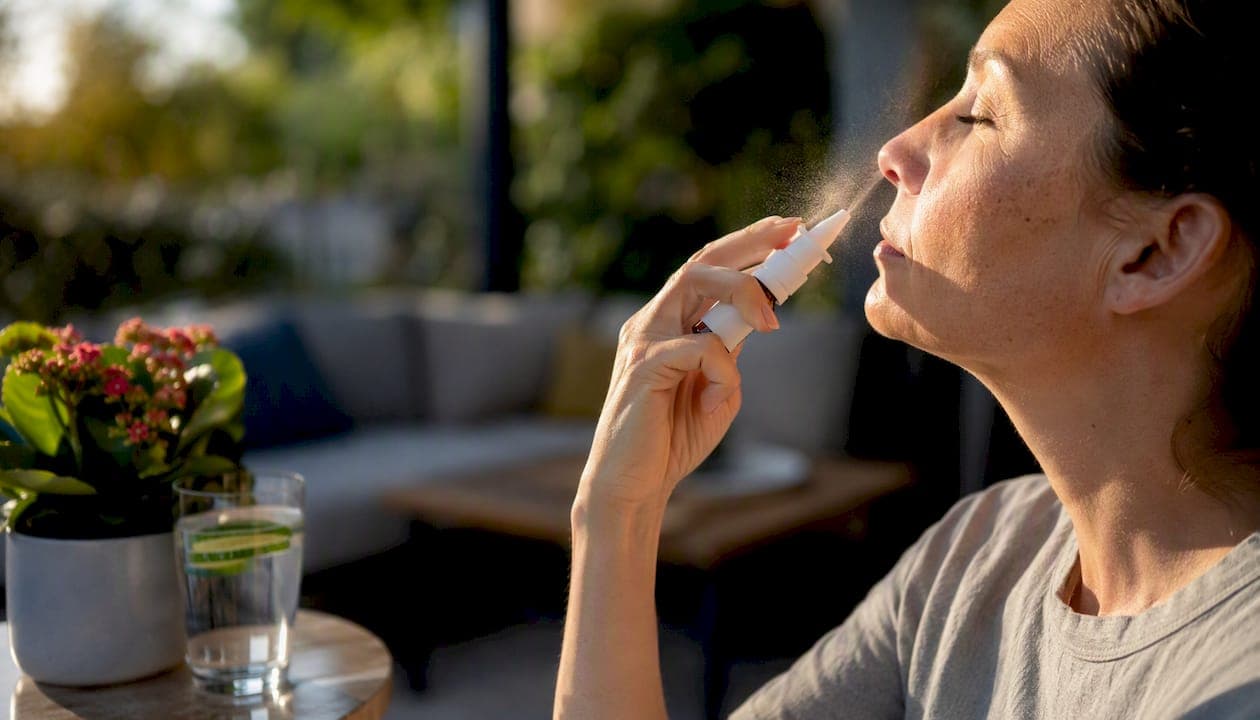
Semax targets cognition and neuroprotection. Selank targets anxiety and stress resilience. That's the one-sentence answer, and it holds up whether you're comparing mechanisms, clinical reports, or how each one actually feels within an hour of dosing.
Neither peptide is FDA-approved for these uses in the United States, and the clinical record for both is smaller and more geographically concentrated than most online summaries admit. Here's the quick version before we get into the mechanisms and evidence:
- Semax — best-for: focus, memory, post-injury cognitive support. Onset tends to feel stimulating and fairly quick, and it's usually run as a standalone morning protocol rather than an anxiety tool.
- Selank — best-for: situational or generalized anxiety, stress reactivity, mental fatigue. Onset feels calming rather than sedating, and people often reach for it before a specific stressor (a presentation, a flight) rather than as a daily cognitive driver.
- Together — some users run a "calm focus" stack combining both, but that combination has essentially zero controlled human trial data behind it. Treat it as a hypothesis, not a protocol.
A quick caution before you read further: most of what we know about both peptides comes from Russian clinical literature, not large Western trials. A 52-participant resting-state fMRI study is one of the few pieces of direct, modern, peer-reviewed human data comparing them head-to-head. If you're weighing either one for a real health decision, that gap matters, and a physician conversation should come before a purchase.
Key Takeaways
Semax is the stronger candidate for cognition and neuroprotection, Selank is the stronger candidate for anxiety and stress resilience, and neither has the large-scale Western clinical trial data to support a guarantee either way.
| Point | Details |
|---|---|
| Cognition goal | Semax's BDNF and monoamine mechanisms make it the more direct choice for focus and neuroprotection support. |
| Anxiety goal | Selank's GABAergic and enkephalinase-inhibiting mechanisms make it the more direct choice for stress and anxiety symptoms. |
| Evidence gap | Most clinical data for both peptides comes from Russian research; large Western Phase III trials don't yet exist. |
| Stacking caution | The "calm focus" combination is mechanistically plausible but has no controlled human trial data behind it. |
| Supervised path | Airmedfit offers physician consultations and lab monitoring for patients considering either peptide under clinical oversight. |
This article provides general information and isn't a substitute for personalized medical advice. Talk with a licensed physician before starting Semax, Selank, or any peptide protocol, especially if you take other medications or have an underlying health condition.
Table of Contents
- Semax vs Selank: What Each Peptide Actually Is
- How Do Semax and Selank Affect the Brain Differently?
- What Does the Clinical Evidence Actually Show?
- Are Semax and Selank Safe? Side Effects and Who Should Avoid Them
- How Are Semax and Selank Typically Administered?
- Can You Combine Semax and Selank? The "Calm Focus" Stack
- Which Peptide Matches Your Goal? A Decision Guide
- What Do the Key Studies Actually Show? An Annotated Look
- How a Supervised Peptide Practice Evaluates Semax and Selank
- Exploring Semax or Selank Through Physician-Supervised Care
- Where to Read More: Primary Sources and Studies
- Frequently Asked Questions
- Sources
Semax vs Selank: What Each Peptide Actually Is
Semax and Selank are both synthetic heptapeptides that came out of Russian pharmacological research decades ago, and they share a structural detail that explains a lot about why both remain stable enough to use as nasal sprays: a Pro-Gly-Pro tail at the tail end of the molecule. That tripeptide sequence resists rapid enzymatic breakdown, which is part of why intranasal dosing works at all for peptides this small.
Beyond that shared tail, the two molecules come from completely different parent structures.
- Semax derives from a fragment of adrenocorticotropic hormone, specifically ACTH(4-10), modified with the PGP addition for stability.
- Selank is a synthetic analog of tuftsin, an immunomodulatory tetrapeptide, again extended with the same PGP tail.
Both have documented clinical use in Russia, where Semax is registered for conditions including ischemic stroke recovery and cognitive impairment, and Selank has been studied for generalized anxiety and asthenic disorders. Neither has gone through the FDA approval pathway as a standard therapeutic in the United States, and both currently sit in a gray zone between research chemical and compounded prescription product, a distinction worth understanding before you compare dosing or sourcing.
How Do Semax and Selank Affect the Brain Differently?
The mechanism gap between these two peptides is the reason they don't feel the same, and it's worth understanding in plain terms before you decide which one matches your goal.
Semax's headline mechanism runs through brain-derived neurotrophic factor. Preclinical studies report that Semax administration raises BDNF protein and transcription in the hippocampus and cortex, activating downstream TrkB and CREB signaling that supports synaptic plasticity and, at least in animal models, measurable neuroprotective gene-expression changes after ischemic injury. Semax also modulates dopamine and serotonin turnover, which likely explains the alert, slightly stimulating quality users report within the first hour. Put together, those two systems, neurotrophin signaling and monoamine modulation, give Semax a plausible biological case for supporting attention, memory consolidation, and recovery after brain injury.
Selank works through an almost entirely different set of pathways. It appears to modulate GABAergic gene expression, the same inhibitory neurotransmitter system that benzodiazepines target, but without producing the sedation or dependence risk associated with that drug class. Selank also inhibits enkephalinase, the enzyme that breaks down the body's own enkephalins (natural opioid-like peptides involved in mood regulation), and it carries immunomodulatory signals inherited from its tuftsin lineage. The net effect described in small trials is anxiolysis that doesn't come with the fog or crash typical of anxiety medications.
| Factor | Semax | Selank |
|---|---|---|
| Primary mechanism | BDNF/TrkB/CREB upregulation, monoamine modulation | GABAergic gene modulation, enkephalinase inhibition |
| Best-for | Cognition, memory, neuroprotection | Anxiety, stress reactivity, mental fatigue |
| Subjective onset | Stimulating, often within an hour | Calming, often within an hour |
| Duration of subjective effect | Several hours | Several hours |
| Structural/neurotrophic change timeline | Days to weeks with repeated dosing | Not well characterized in current literature |
Picture it as two boxes with arrows pointing toward each other: Semax on the left feeding into BDNF and monoamine pathways that support focus and cell survival, Selank on the right feeding into GABA and enkephalin pathways that support calm and stress buffering. The arrows meet in the middle because both terminate in the amygdala and connected cortical circuits, which is exactly what the resting-state imaging data below picked up.
That imaging study is the most direct evidence we have that these mechanistic stories translate into real brain activity differences. Researchers gave 52 healthy participants Semax, Selank, or placebo and measured resting-state functional connectivity at multiple time points. They found both shared and distinct connectivity changes between the right amygdala and right temporal cortex, consistent with Semax and Selank acting on overlapping circuitry through different entry points. It's a modest sample size, but it's one of the few pieces of controlled, peer-reviewed human data pitting the two peptides against each other directly.

What Does the Clinical Evidence Actually Show?
Here's where the marketing claims and the actual research start to diverge, and it's worth being precise about the gap.
Semax's strongest clinical lines come from stroke rehabilitation research and BDNF-associated studies. Animal ischemia models report reduced infarct size and improved molecular recovery markers in treated groups, and Russian rehabilitation reports describe functional improvements in stroke patients given structured Semax courses. The mechanistic backbone, elevated BDNF transcription in hippocampus and cortex, is reasonably consistent across multiple rodent studies. What's missing is a large, blinded, placebo-controlled trial in a Western hospital setting with standardized cognitive endpoints.
Selank's evidence base leans more heavily on small clinical trials directly comparing it to established anxiety medications. Some of that research reports anxiolytic effects without the sedation typically seen with benzodiazepines, which is the finding most often cited by people considering Selank over a prescription anxiety medication. Sample sizes in these trials tend to be small, and the anxiety scales used vary study to study, which makes it hard to pool results into a confident effect size.
Here's roughly how the evidence stacks up if you're trying to calibrate your expectations:
- Semax for cognition/neuroprotection: moderate preclinical evidence, limited controlled clinical evidence in Western populations.
- Selank for anxiolysis: low-to-moderate clinical evidence, concentrated almost entirely in small Russian trials.
- Semax + Selank combined: essentially no controlled clinical evidence at all.
Nearly all of this research originated in the Russian Federation, where both peptides carry regulatory approval for specific indications. That geographic concentration matters more than it might seem. Trial populations, diagnostic criteria, and even how "cognitive improvement" gets measured can differ enough from Western clinical standards that direct extrapolation is risky. On the U.S. regulatory side, the FDA's Pharmacy Compounding Advisory Committee docketed Semax for its July 2026 meeting, a sign that federal regulators are actively looking at where compounded peptides like this one fit into existing rules, not that approval is imminent.
Are Semax and Selank Safe? Side Effects and Who Should Avoid Them
Published reports on both peptides describe a relatively mild side effect profile, especially compared to prescription stimulants or benzodiazepines, but "relatively mild" is not the same as "risk-free."
Commonly reported effects include:
- Mild nasal irritation or dryness from intranasal dosing.
- Occasional headache, more often associated with higher or stimulating doses of Semax.
- Sleep disturbance when Semax is taken later in the day, given its stimulating profile.
- No documented pattern of dependence or tolerance in the published literature for either peptide, though long-term surveillance data in Western populations simply doesn't exist yet.
Certain groups should avoid either peptide or use them only under direct physician supervision: pregnant or breastfeeding people, anyone with an uncontrolled psychiatric condition, and people with uncontrolled cardiovascular disease, since neither peptide has safety data covering those populations. If you're on other medications, especially anything affecting serotonin, dopamine, or GABA signaling, that's a conversation for a clinician, not a forum thread.
Pro Tip: If you notice increased anxiety, restlessness, or disrupted sleep after starting a stimulating peptide like Semax, that's a signal to stop and reassess, not push through. Clinicians who supervise peptide protocols often recommend morning-only dosing for exactly this reason.
The biggest safety gap isn't the side effect list. It's the absence of long-term data in Western populations, combined with a research-peptide market where sourcing quality varies wildly. Community dosing protocols circulating online were never designed with your specific health history in mind, and treating them as clinical guidance is where most of the real risk lives.
How Are Semax and Selank Typically Administered?
Both peptides are almost always used intranasally, either as measured drops or a metered spray, which lines up with how they were originally studied and formulated in Russian clinical settings. Injectable formulations exist in some research and prescription contexts, but nasal administration dominates outside clinical settings because it's simpler and doesn't require reconstitution the same way an injectable peptide does.
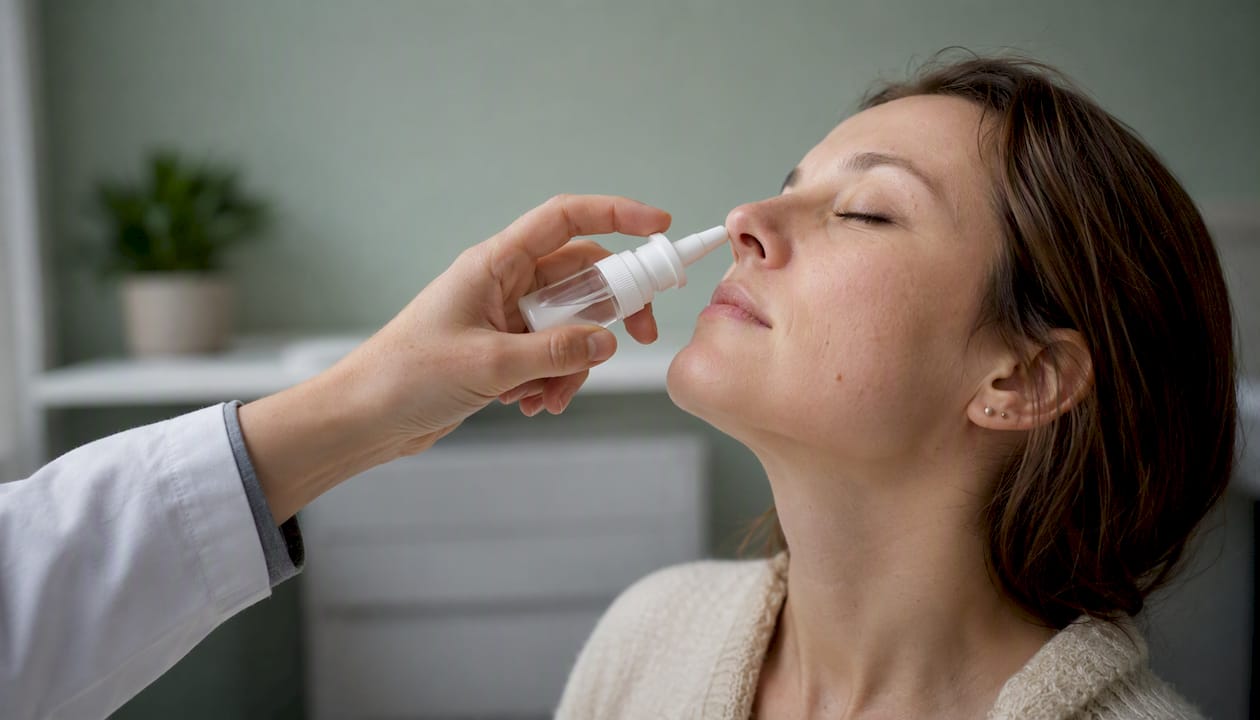
Dosing ranges reported in the literature and in community protocol summaries vary enough that any specific number should be treated as a hedge, not a prescription. Semax is typically dosed earlier in the day given its stimulating quality; taking it in the evening is a common reason people report sleep disruption. Selank's timing is more flexible since it isn't reported to interfere with sleep the way stimulating Semax doses can.
| Effect type | Semax | Selank |
|---|---|---|
| Subjective onset | Minutes to roughly an hour | Roughly up to an hour |
| Subjective duration | A few hours | A few hours |
| Neurotrophic/structural change | Days to weeks with repeated courses | Not well characterized |
| Typical dosing window | Morning, to avoid sleep interference | Flexible, often situational |
Availability is a separate issue from safety. Both peptides are commonly sold as research compounds in the United States and elsewhere, which is a legally distinct category from an FDA-approved or physician-prescribed medication. Semax's inclusion on the FDA's 2026 compounding advisory docket signals that its regulatory status could shift, while Selank hasn't seen the same visible regulatory movement. Sourcing from an unverified research-chemical vendor carries real risk around purity and dosing accuracy, which is a large part of why physician-supervised sourcing through a licensed pharmacy exists as an alternative path.
Can You Combine Semax and Selank? The "Calm Focus" Stack
The mechanistic logic for stacking these two is straightforward on paper: Semax's stimulating, BDNF-driven push toward focus paired with Selank's calming, GABA-mediated smoothing could, in theory, cancel out the jittery edge that stimulating cognitive peptides sometimes produce. That's the entire case for what's become known online as the "calm focus" stack.
It's a plausible hypothesis. It is not a validated one. No controlled human trial has tested Semax and Selank together, which means claims about additive or complementary effects are extrapolated from separate single-agent studies, not from any actual combination data.
Common community patterns involve dosing Semax in the morning and adding Selank either alongside it or later in the day if anxiety symptoms build. Some protocols reduce the Semax dose when stacking, on the theory that combined stimulation and modulation might otherwise overshoot.
The tradeoffs are worth stating plainly:
- Potential upside: complementary pathways that, mechanistically, don't overlap or obviously conflict.
- Real downside: unknown interaction effects, no dosing precedent from controlled trials, and compounded sourcing risk since you're now trusting two unregulated products instead of one.
Pro Tip: If you're going to try a stack despite the missing trial data, start with each peptide separately first so you know your individual response before combining them, and track sleep, resting heart rate, and mood daily. That baseline makes it far easier to spot a problem early.
Which Peptide Matches Your Goal? A Decision Guide
Matching the peptide to the goal is more useful than matching it to whatever's trending in a forum thread. Here's how the two typically map against common reasons people look into either one:
| Goal | Recommendation | Why |
|---|---|---|
| Focus and sustained attention | Semax | Monoamine modulation supports alertness; BDNF pathway supports sustained cognitive performance |
| Post-stroke cognitive rehabilitation | Semax, under physician supervision | Strongest neuroprotective and rehabilitation literature, though still Russian-concentrated |
| Performance anxiety (situational) | Selank | Anxiolytic effect without benzodiazepine-style sedation, useful for discrete stressors |
| Generalized anxiety or chronic stress | Selank, with clinician involvement | Clinical trial data specifically targets anxiety symptom reduction |
| Combined focus and calm | Consider a supervised trial of each individually before stacking | No controlled data exists for the combination |
Before starting either peptide, a short list of questions makes any clinician conversation more productive:
- Does my current medication list interact with GABAergic, monoaminergic, or neurotrophin-modulating compounds?
- What baseline labs or health markers should we check before and during use?
- What's the sourcing standard for the peptide, licensed compounding pharmacy versus unregulated research vendor?
- What monitoring schedule makes sense, and what symptoms should trigger stopping?
Certain signs should stop the self-experimentation conversation entirely: an unstable mood disorder, pregnancy, an unverified or unlicensed supplier, or unexplained neurological symptoms that haven't been evaluated. If cognitive complaints are the reason you're researching Semax in the first place, it's worth ruling out other causes first. Persistent brain fog, for instance, can stem from sleep disorders, thyroid issues, or nutrient deficiencies that a peptide won't fix, and Cleveland Clinic's overview of brain fog is a reasonable starting point for that conversation with a physician.
What Do the Key Studies Actually Show? An Annotated Look
Reading past the marketing copy means looking at what the underlying studies actually measured, not just what they concluded. Here's a short annotated rundown of the sources that carry the most weight in this comparison.
- The 52-participant resting-state fMRI study. This is the only modern, peer-reviewed human study directly comparing Semax and Selank against placebo using objective brain imaging rather than self-report. It found distinct amygdala-temporal cortex connectivity changes for each peptide, supporting the idea that they act on overlapping circuits through different mechanisms. Limitation: healthy volunteers only, so it doesn't tell us how either peptide performs in a clinical population.
- BDNF mechanism studies compiled in peer-reviewed reviews. These synthesize multiple rodent studies reporting elevated BDNF transcription after Semax dosing. Limitation: animal models don't guarantee equivalent effects in humans, and dosing routes vary across the underlying studies.
- Semax neuroprotection and stroke rehabilitation reports. These describe reduced infarct markers in ischemia models alongside Russian clinical rehabilitation reports. Limitation: most human data here comes from open-label or small comparative studies rather than large randomized controlled trials.
- Selank anxiolytic comparative trials. Small clinical studies report anxiolysis comparable to some benzodiazepine benchmarks without equivalent sedation. Limitation: sample sizes are small and anxiety measurement tools vary between studies, which limits pooled confidence.
The pattern across nearly all of this literature is the same: promising mechanistic and small-trial signal, concentrated in one country's research infrastructure, without the large-scale, blinded, multi-site trials that would let a Western regulator or physician cite these peptides with full confidence. Future research that would move the needle should include validated anxiety and cognitive test batteries, objective biomarkers like BDNF blood levels, and long-term safety follow-up beyond a few weeks of dosing.
How a Supervised Peptide Practice Evaluates Semax and Selank
Watching how a physician-supervised program actually screens for peptide candidacy reveals a lot about the gap between community dosing and clinical use. It starts before a single dose is given: a full medical history, a review of current medications for interaction risk, and baseline labs that establish where a patient's hormone and metabolic markers stand before introducing anything new. Informed consent in a clinical setting means walking through exactly what the evidence does and doesn't show, including the fact that neither peptide carries FDA approval for these uses.
A typical supervised workflow looks like this:
- Initial consultation covering goals, medical history, and current medications.
- Baseline lab panel appropriate to the patient's stated goal (cognitive, metabolic, or stress-related markers).
- A starting protocol with conservative dosing, usually monotherapy before any consideration of combining peptides.
- Scheduled follow-up to track subjective changes alongside objective measures, sleep quality, validated mood or anxiety scales, and simple cognitive task performance where relevant.
- Adjustment or discontinuation based on that follow-up data, not on a fixed timeline.
Sourcing standards matter as much as the protocol itself. A supervised program typically insists on pharmaceutical-grade suppliers with batch testing and documentation, which removes the purity and dosing-accuracy risk that comes with unregulated research-chemical vendors. That single difference, verified sourcing versus an anonymous online seller, is often the largest practical safety gap between self-directed use and a clinically supervised protocol.
Exploring Semax or Selank Through Physician-Supervised Care
If everything above makes one thing clear, it's that the biggest variable in how safely and effectively either peptide works isn't the molecule itself, it's the oversight around it. Airmedfit approaches peptide use the way the clinical evidence suggests it should be approached: with a physician consultation, baseline lab monitoring, and an individualized plan rather than a guess pulled from a forum thread.
Airmedfit's peptide programs pair FDA-regulated sourcing from licensed U.S. manufacturers with ongoing physician oversight, so dosing decisions are based on your actual labs and health history rather than a generic protocol. That includes access to lab panels for baseline and follow-up monitoring, doctor consultations to walk through interaction risks and realistic expectations, and membership options for patients who want ongoing metabolic or hormonal support alongside peptide use. Every plan starts with a real conversation about your goals, whether that's cognitive support, stress resilience, or a broader metabolic optimization plan. If you're weighing Semax, Selank, or a supervised approach to either, book a consultation with Airmedfit to start with labs and a physician-built plan instead of a solo experiment.
Where to Read More: Primary Sources and Studies
Reading a study abstract on PubMed gives you the summary conclusions, but the full text (often free through PMC) includes the methodology, sample size, and limitations that matter for judging how much weight a finding deserves.
- Resting-state fMRI comparison of Semax and Selank — the head-to-head human imaging study showing distinct amygdala-temporal cortex connectivity changes for each peptide.
- Peptide mechanism review covering BDNF/TrkB signaling — background on how Semax influences neurotrophin pathways in preclinical research.
- Selank clinical reports and comparative anxiolytic data — small trial data comparing Selank's anxiolytic profile to benzodiazepine benchmarks.
- Semax neuroprotection and gene-expression studies — ischemia model research behind Semax's stroke rehabilitation use in Russia.
- FDA Pharmacy Compounding Advisory Committee docket — the 2026 meeting agenda that included Semax among substances under regulatory review.
Frequently Asked Questions
Is Semax better than Selank for anxiety? No. Selank has more clinical data specifically targeting anxiety symptoms through GABAergic and enkephalinase-inhibiting mechanisms. Semax's stimulating, dopamine-modulating profile can actually worsen anxiety in some users.
Can Selank help with focus the way Semax does? Not based on current mechanistic evidence. Selank's calming, GABA-mediated effects aren't linked to the BDNF and monoamine pathways that give Semax its cognitive and neuroprotective rationale.
What's the safest way to try either peptide? Physician-supervised use with baseline labs, a documented protocol, and follow-up monitoring is the safest approach, given how limited long-term Western safety data currently is for both peptides.
Are Semax and Selank legal in the United States? Both are commonly available as research compounds, but neither is FDA-approved as a standard therapeutic. Semax appeared on the FDA's 2026 compounding advisory committee docket, reflecting active regulatory attention rather than approved status.
Should I combine Semax and Selank for a "calm focus" effect? The mechanistic case is plausible, but no controlled human trial has tested the combination. If you try it, do so under clinician supervision, start with each peptide separately, and monitor sleep and mood closely.
This article is general information, not a substitute for advice from a qualified doctor. Consult a qualified healthcare professional about your own circumstances before acting on anything here.
Sources
- Resting-state fMRI study (PubMed 32342318)
- PMC review / article covering peptide mechanisms (PMC9030433)
- PMC clinical reports overview (PMC4757669)
- PMC neuroprotection and gene‑expression studies (PMC5322660)
- FDA advisory committee calendar (PCAC July 23–24, 2026)