
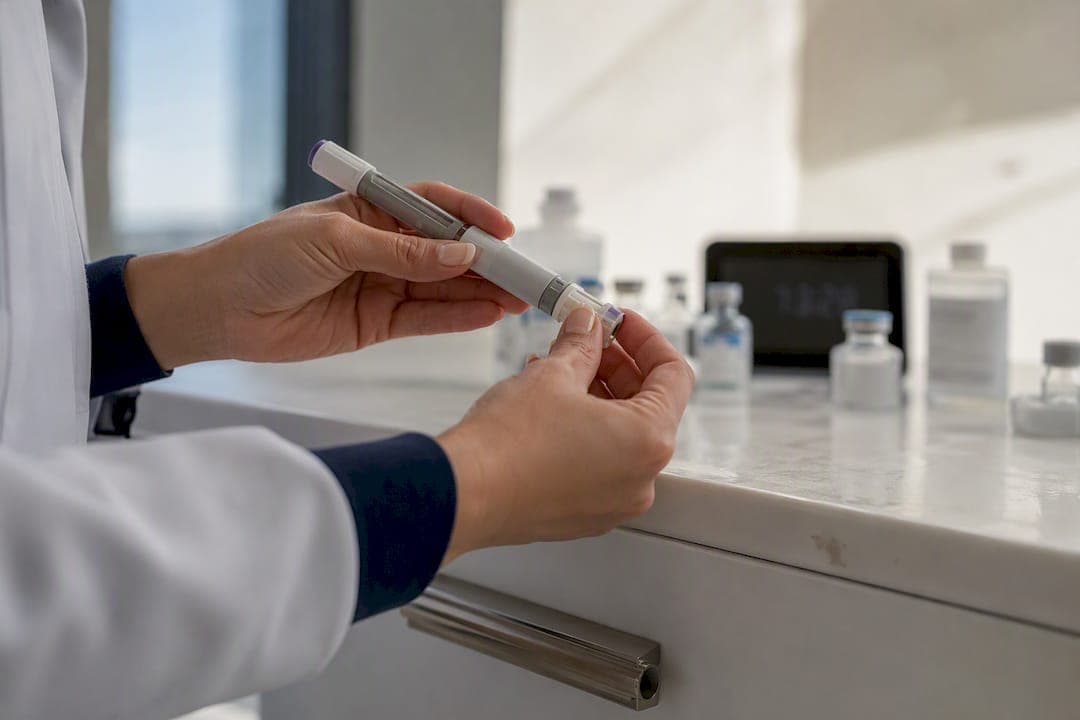
Tirzepatide most commonly causes gastrointestinal symptoms: nausea, vomiting, diarrhea, constipation, and a drop in appetite. Most of this shows up in the first weeks or right after a dose increase, and it usually fades as your body adjusts. A smaller set of risks is more serious: pancreatitis, severe stomach or bowel problems, gallbladder disease, dehydration that leads to kidney injury, low blood sugar if you're also on insulin or a sulfonylurea, and a boxed warning tied to thyroid tumors seen in animal studies.
- Most likely: nausea, vomiting, diarrhea, constipation, appetite loss
- Rare but serious: pancreatitis, gallbladder disease, severe GI events, dehydration/kidney injury, hypoglycemia, thyroid tumor signal
- Act now if you have: severe belly pain, vomiting that won't stop, yellowing skin or eyes, swelling or trouble breathing, or a severe low blood sugar episode
The bottom line: the FAERS pharmacovigilance database shows gastrointestinal complaints dominate real-world reports, while pancreatitis and thyroid signals appear far less often but carry more weight when they do.
Key Takeaways
Tirzepatide's side effect profile is dominated by manageable gastrointestinal symptoms, while a small number of rare but serious risks require prompt medical attention and physician oversight.
| Point | Details |
|---|---|
| GI symptoms are the norm | Nausea, vomiting, diarrhea, constipation, and appetite loss affect most patients, especially after dose increases. |
| Serious risks are rare but real | Pancreatitis, gallbladder disease, and a thyroid tumor signal require awareness, not panic. |
| Titration reduces symptom severity | Slower dose escalation, per StatPearls, meaningfully lowers GI adverse events. |
| Hydration prevents bigger problems | Dehydration from vomiting or diarrhea can progress to kidney injury if untreated. |
| Supervised care catches issues early | Airmedfit pairs physician-supervised titration with lab monitoring to manage side effects as they arise. |
Table of Contents
- Common Tirzepatide Side Effects: The GI Pattern Explained
- Rare but Serious Tirzepatide Risks You Should Know
- Managing Tirzepatide Side Effects Without Stopping Treatment
- What to Discuss Before Starting Tirzepatide
- When to Seek Medical Attention for Tirzepatide Side Effects
- How Airmedfit Supervises Tirzepatide Therapy
- Sources
Common Tirzepatide Side Effects: The GI Pattern Explained
If you've heard that tirzepatide is "hard on the stomach," that's not folklore. It's the single most consistent finding in every dataset on this drug, from randomized trials to real-world reporting.
Nausea leads the list, followed by vomiting, diarrhea, constipation, and reduced appetite. Some people get one symptom; others get a rotating cast of two or three. Systematic reviews of the SURPASS trial program show these effects show up more in weight-management studies than in diabetes trials, likely because weight-loss dosing tends to push toward higher maintenance doses. The FAERS analysis found a strong disproportionate reporting signal for nausea, with an even sharper signal for impaired gastric emptying, a reporting odds ratio of 13.3, which tells you this isn't a minor footnote in the safety data.

Here's why it happens: tirzepatide activates both GLP-1 and GIP receptors, which slows how fast your stomach empties and dials down appetite signals in the brain. That's the same mechanism driving the weight loss people want, and the same one causing the nausea they don't. You can't fully separate the benefit from the side effect. It's baked into how the drug works.
Expect the following pattern:
- Symptoms cluster around the first dose and every dose increase
- Constipation and appetite loss tend to linger longer than nausea and vomiting
- Most GI symptoms ease over time as your body adapts
- Higher doses generally mean a higher chance of noticing something
Pro Tip: Eat before you feel hungry, not after. Waiting until you're starving to eat a full meal on tirzepatide is a near-guaranteed way to trigger nausea, since a slowed stomach doesn't handle a sudden, large volume of food well.
The StatPearls clinical monograph lists GI events as the most commonly reported adverse effects across trials, reinforcing that this pattern isn't a fluke of one study population. It's consistent across the drug's approved uses.
Rare but Serious Tirzepatide Risks You Should Know
Most people never encounter these. But knowing the warning signs matters more than knowing the odds, because when these risks materialize, timing affects the outcome.
Pancreatitis shows up as severe, persistent upper abdominal pain, sometimes radiating to the back, often with nausea that doesn't match your usual pattern. The FAERS analysis found a reporting odds ratio of 3.63 for pancreatitis, a meaningful signal even though absolute case counts stay low. Stop eating, call your clinician, and get evaluated the same day if the pain is severe.
Severe GI events beyond routine nausea have been documented in case reports, including presentations resembling gastroparesis or bowel obstruction.
Case reports on unanticipated adverse events describe atypical, severe gastrointestinal presentations that required urgent evaluation, a reminder that "just nausea" can occasionally escalate into something that needs same-day care.
Gallbladder disease tends to follow rapid weight loss, not the drug directly. Fast fat loss changes bile composition and can trigger gallstones.
Additional risks include:
- Thyroid C-cell tumors in rodent studies, the basis for the boxed warning and the MEN2 contraindication
- Hypoglycemia when tirzepatide is combined with insulin or a sulfonylurea
- Dehydration progressing to acute kidney injury after prolonged vomiting or diarrhea, a pattern the BMC Pharmacology and Toxicology subgroup analysis flagged as more common among reports involving severe outcomes
Managing Tirzepatide Side Effects Without Stopping Treatment
The goal isn't to white-knuckle through side effects. It's to reduce them enough that you can stay on a therapy that's actually working.
- Follow a slow titration schedule. Dose increases, not the starting dose, trigger most flare-ups. StatPearls notes that gradual escalation reduces GI adverse events, which is why clinicians resist rushing the schedule even when someone wants faster results.
- Adjust how you eat, not just what. Smaller, more frequent meals beat three large ones. Bland, lower-fat foods sit better than anything greasy or heavily spiced, especially in the days right after a dose change.
- Prioritize fluids and electrolytes. Scheduled sips throughout the day, plus an oral rehydration solution if diarrhea or vomiting hits, cut your risk of the dehydration that can spiral into kidney injury.
- Ask about symptom-specific medication. Clinicians sometimes prescribe antiemetics for nausea, or occasionally a stool softener or gentle laxative for constipation. A pharmacist can flag interactions before you combine anything over the counter.
- Know when to pause versus when to call 911. A rough week might mean holding the next dose increase. Severe abdominal pain or vomiting that won't stop means emergency care, not a wait-and-see approach.
- Keep a symptom log. Track dose timing, meals, fluid intake, and symptom severity for the first 6 to 12 weeks. That log is often the most useful thing you bring to a follow-up visit.
Pro Tip: Bring your symptom log to every dose-adjustment appointment, even if you think you'll remember the details. Clinicians make better titration decisions with a written timeline than with "it was bad sometimes last month."
What to Discuss Before Starting Tirzepatide
A short conversation before your first dose can prevent a bad surprise later.
- Medications with narrow safety margins or that depend on predictable stomach emptying can behave differently once tirzepatide slows digestion.
- Insulin or sulfonylureas raise your hypoglycemia risk substantially. Your clinician will likely adjust those doses before you start.
- Absolute contraindications include a personal or family history of medullary thyroid carcinoma or MEN2 syndrome, along with severe hypersensitivity to the drug.
- Flag conditions that need closer monitoring: diabetic retinopathy, a history of gastroparesis, kidney impairment, or an upcoming surgery requiring general anesthesia (slowed gastric emptying affects fasting protocols).
- Clinicians tailor lab work and vision checks based on your specific history, not a one-size-fits-all checklist.
When to Seek Medical Attention for Tirzepatide Side Effects
Some symptoms call for a phone call. Others call for an emergency room.
- Severe or persistent abdominal pain, especially radiating to the back
- Vomiting that doesn't let up for more than a day
- Yellowing of the skin or eyes (a possible gallbladder or liver signal)
- Swelling of the face or throat, or difficulty breathing
- A severe hypoglycemic episode, particularly if you're on insulin
- Vision changes, signs of dehydration, or unusual fatigue often warrant lab follow-up rather than an ER visit.
- Report any serious or unexpected reaction to FDA MedWatch, which is the official channel for tracking these events after a drug reaches the market.
- If you have a procedure requiring fasting or sedation, tell your care team you're on tirzepatide. Delayed gastric emptying changes fasting risk calculations.
How Airmedfit Supervises Tirzepatide Therapy
Airmedfit builds its GLP-1 programs around physician oversight from day one, not a one-time prescription and a hope for the best. Intake includes lab panels, a full medical history review, and a titration plan built around your response, not a generic schedule.
- FDA-regulated GLP-1 medications sourced from licensed US manufacturers
- Individualized dosing protocols adjusted through ongoing physician follow-up
- Membership-based monitoring so side effects get addressed as they happen, not at the next scheduled checkup
A first consultation typically covers your medical history, relevant labs, and a realistic conversation about what side effects to expect based on your starting dose.
Pro Tip: Ask your prescribing physician up front how dose increases will be timed relative to how you're tolerating the current dose. That single question tells you a lot about whether a program is actually individualized.
Weighing Benefit Against Risk on Tirzepatide
Careful titration and consistent follow-up manage the vast majority of side effects that come up on tirzepatide. The instinct to quit cold when nausea hits is understandable, but talking to your clinician about a dose adjustment almost always beats stopping outright. If you're weighing whether to start, supervised initiation with real monitoring is the safer path.
— Organic
Getting Started With Supervised Tirzepatide Care
There are other ways to access GLP-1 therapy, including telehealth subscriptions and general primary-care prescriptions. But most of those hand you a dose schedule and leave the monitoring up to you. Airmedfit's model is built the other way around: a physician reviews your labs before you start, adjusts your titration based on how you're actually responding, and stays in the loop through an ongoing membership rather than a single prescription drop.

The process starts with a consultation and baseline lab panel, followed by a personalized dosing plan using FDA-regulated GLP-1 medications sourced from licensed US manufacturers. If a side effect shows up along the way, you have a physician to call, not a support ticket. Book a consultation with Airmedfit to start supervised tirzepatide therapy with monitoring built into every step.
Sources
- The real-world safety profile of tirzepatide: pharmacovigilance analysis of the FDA Adverse Event Reporting System (FAERS) database - PMC
- Tirzepatide - StatPearls - NCBI Bookshelf
Always discuss your specific history and lab results with a licensed clinician before interpreting any of these findings for your own care.
This article is general information, not a substitute for advice from a qualified doctor. Consult a qualified healthcare professional about your own circumstances before acting on anything here.