
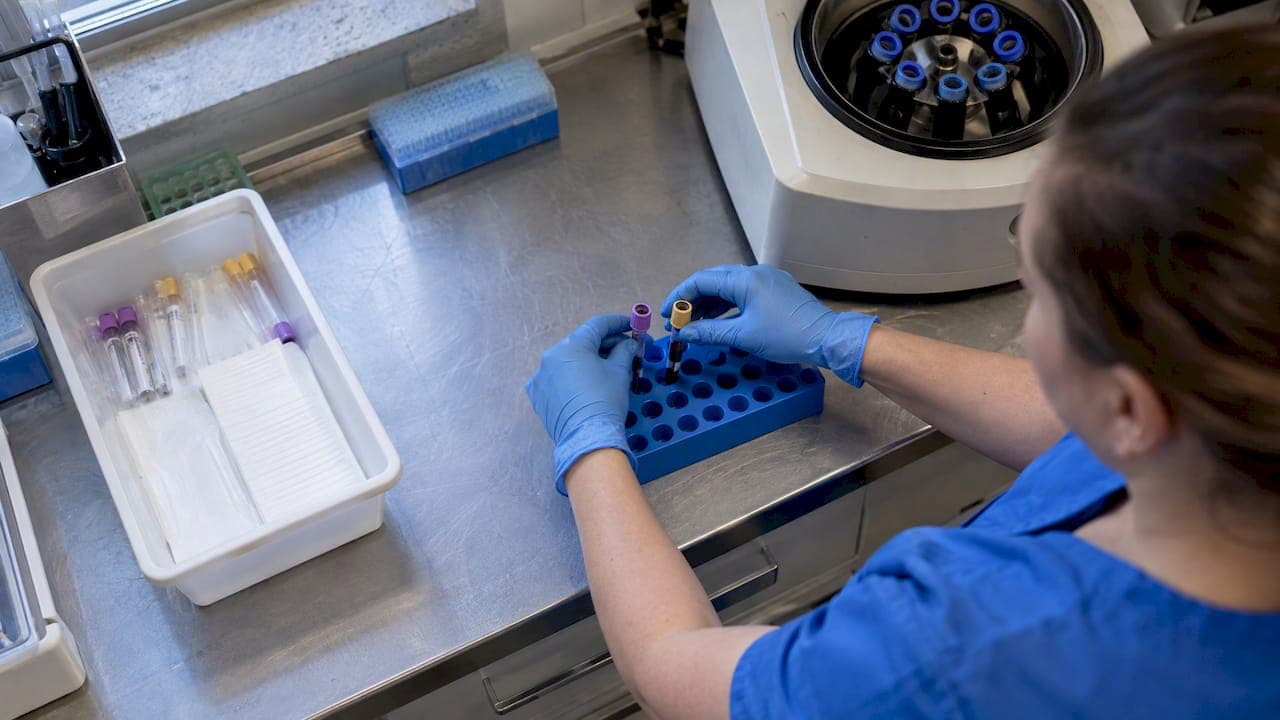
If you are tired despite sleeping enough, the most likely hormone culprits are thyroid disease, sex hormone shifts (low testosterone or estrogen and progesterone fluctuations), and, less often, true adrenal insufficiency. Fatigue by itself does not point to a specific cause, so the right move is a clinical evaluation with targeted labs such as TSH, morning testosterone for men, and morning cortisol when your history warrants it.
TL;DR:
- Fatigue caused by hormones often occurs with other symptoms like weight changes, temperature intolerance, or low libido, which guide testing decisions.
- Thyroid hormone levels are most reliably assessed with TSH, while testosterone requires at least two early-morning measurements for an accurate diagnosis.
- Urgent signs such as salt craving and orthostatic dizziness should prompt immediate evaluation for adrenal insufficiency rather than waiting.
- Hormone therapy for confirmed conditions like hypothyroidism or low testosterone involves gradual dose adjustments and ongoing monitoring, taking weeks for noticeable effects.
- Non-hormonal conditions such as sleep apnea, anemia, depression, or medication effects must be ruled out to avoid misdiagnosis of hormonal fatigue.
Table of Contents
- Common hormones that affect energy: what each does and why imbalance causes fatigue
- Signs your fatigue may be hormone-related (how to tell when to test)
- How clinicians test for hormone causes: labs, timing, and interpretation
- Treatment options: guideline-based therapies and realistic expectations
- A whole-person checklist: other conditions to rule out before focusing only on hormones
- How a physician-supervised program approaches hormone-related fatigue
- Impact of insulin resistance and blood sugar imbalances on fatigue
- Role of growth hormone and IGF-1 deficiencies in persistent tiredness
- Sleep cycle disruption due to hormonal imbalances
- Author perspective: next steps to take after reading
- How Airmed Fit can help with hormone-related fatigue
- FAQ
- Sources
Common hormones that affect energy: what each does and why imbalance causes fatigue
Thyroid hormone sets the pace for nearly every cell's metabolism. When levels drop too low, the body slows down: heart rate, digestion, and energy production all decline, producing the sluggishness and cold intolerance associated with hypothyroidism. Clinicians lean on blood tests rather than symptoms alone, because tiredness by itself has low positive predictive value for thyroid dysfunction, meaning most tired people do not actually have a thyroid problem.
Cortisol works differently. It is the hormone that helps you respond to physical stress, and true adrenal insufficiency, where the adrenal glands fail to produce enough cortisol, is uncommon. The popular label "adrenal fatigue" is not recognized as a medical diagnosis by the Endocrine Society, even though the phrase circulates widely online.
Estrogen and progesterone swing across the menstrual cycle and fall sharply during perimenopause and menopause, disrupting sleep and energy in ways that feel like unrelenting exhaustion rather than a bad week. Testosterone, meanwhile, declines gradually with age in men and plays a direct role in energy, motivation, and muscle maintenance.
- Thyroid hormone regulates metabolic rate; too little slows the whole body down.
- Cortisol governs stress response; true deficiency is rare but serious.
- Estrogen and progesterone affect sleep architecture and mood across the cycle and through menopause.
- Testosterone supports energy, libido, and muscle mass, and drops slowly with age.
Clinically significant low testosterone is generally defined as a level below 300 ng/dL, confirmed alongside symptoms rather than from a lab value in isolation.
Signs your fatigue may be hormone-related (how to tell when to test)
Fatigue on its own rarely points anywhere specific. What matters is the company it keeps. A single symptom like tiredness carries low predictive value for thyroid disease, so clinicians look for clusters and relevant history before ordering a full panel.
- Fatigue with weight gain, cold intolerance, dry skin, or constipation suggests hypothyroidism.
- Fatigue with low libido, fewer morning erections, or loss of muscle mass in men suggests low testosterone.
- Fatigue with irregular periods, night sweats, or new sleep disruption around midlife suggests a perimenopausal hormone shift.
- Fatigue with unexplained weight loss, severe weakness, salt craving, or dizziness on standing needs urgent evaluation for adrenal insufficiency.
The fourth cluster deserves immediate attention rather than a wait-and-see approach. Salt craving and orthostatic dizziness alongside profound weakness can signal a genuine endocrine emergency, not a vague sense of being run down.
How clinicians test for hormone causes: labs, timing, and interpretation
Testing works best when it follows a sequence instead of a scattershot panel. For thyroid concerns, TSH is the first test, with free T4 added when results are abnormal or when central hypothyroidism, a rarer pituitary-driven form, is suspected. Free T4 reads more reliably than TSH in those central cases.
For testosterone, guidelines call for at least two separate early-morning measurements before a diagnosis of hypogonadism is made, since levels naturally peak in the morning, and a single afternoon draw can mislead. A result paired with consistent symptoms carries more weight than either piece alone.
Adrenal testing starts with a morning cortisol level and moves to cosyntropin stimulation testing when results sit in a gray zone. The Endocrine Society notes that primary adrenal insufficiency is rare, which is one reason the diagnosis requires confirmatory testing rather than a single number.
- Time of day skews cortisol and testosterone results, so morning sampling is standard.
- Acute illness, certain medications, and lab-to-lab variability can shift values temporarily.
- Clinicians often repeat borderline results before committing to a diagnosis or treatment plan.
A minority of tired patients who get thyroid testing actually have hypothyroidism since feeling more tired showed a low positive predictive value for the condition in the studies reviewed. That gap is exactly why testing follows symptom clusters and history instead of fatigue alone.
Treatment options: guideline-based therapies and realistic expectations
Treatment follows the diagnosis, and expectations should be realistic rather than instant. Levothyroxine is the standard treatment for hypothyroidism, taken daily with periodic TSH monitoring to fine-tune the dose; most people notice gradual improvement over weeks rather than days.
For men with confirmed low testosterone, testosterone replacement therapy is considered once both low lab values and symptoms are documented. Monitoring includes hematocrit, blood pressure, and PSA, since FDA labeling for testosterone products flags increases in hematocrit and other adverse effects that require tracking. Readers curious about the early weeks of therapy can see a week-by-week outline of starting TRT.
- Confirmed hypothyroidism: levothyroxine, with TSH rechecked periodically to adjust dose.
- Confirmed low testosterone: TRT with ongoing bloodwork to watch for side effects.
- Confirmed adrenal insufficiency: hormone replacement plus education on stress dosing during illness.
- Perimenopausal or menopausal symptoms: hormone therapy considered case by case, weighing symptom relief against individual risk factors.
Nonhormonal supports still matter even when a hormone problem is confirmed: treating sleep apnea, correcting anemia, and addressing depression often improve energy alongside hormone therapy rather than instead of it. Differences between estrogen and progesterone and how each affects symptoms are covered in more detail on sex hormone differences.
Pro Tip: Ask your clinician which single lab value they are using to judge whether treatment is working, and track that number over time instead of judging progress day to day.
A whole-person checklist: other conditions to rule out before focusing only on hormones
Hormones are one branch of a much larger tree. Several common, non-hormonal conditions produce fatigue that looks and feels identical, and ruling them out prevents months of chasing the wrong cause.
- Sleep apnea: loud snoring, witnessed pauses in breathing, or morning headaches warrant a sleep study.
- Anemia and metabolic issues: a complete blood count, metabolic panel, HbA1c, and vitamin D or B12 levels catch common, fixable contributors.
- Depression and anxiety: mood screening often reveals a contributor that hormone panels will miss entirely.
- Medications and substances: sedatives, opioids, and regular alcohol use can each produce persistent tiredness on their own.
A sleep apnea evaluation is worth requesting before or alongside hormone testing, since untreated apnea can blunt the benefit of any hormone treatment layered on top of it.
How a physician-supervised program approaches hormone-related fatigue
A structured pathway usually looks like this: a consult to review symptoms and history, targeted labs (including home kits for men's and women's panels), an individualized plan, and ongoing monitoring to adjust dosing. A structured hormone therapy program builds around physician oversight, using FDA-regulated GLP-1 medications and peptides sourced from licensed manufacturers.
- Consultations are reviewed by a physician before any treatment plan is built.
- Lab kits can be completed at home and reviewed as part of ongoing monitoring.
- Products come from licensed US manufacturers rather than unregulated research-grade sources.
Outcomes vary by person, and supervised programs still rely on repeat labs and dose adjustments to manage side effects safely, the same monitoring principles covered in the testing and treatment sections above.
Impact of insulin resistance and blood sugar imbalances on fatigue
Blood sugar swings produce a specific kind of tiredness: a slump after meals, a mid-afternoon crash, or a general heaviness that coffee barely touches. When cells stop responding well to insulin, glucose has a harder time getting into tissues that need it for energy, even though plenty of sugar is circulating in the blood. The result is a mismatch between fuel supply and fuel use that the body experiences as fatigue.
Insulin resistance also tends to travel with other issues already discussed here: it is common in people with obesity, it can coexist with low testosterone in men, and it often shows up alongside disrupted sleep. An HbA1c or fasting glucose test, both mentioned in the whole-person checklist above, is a reasonable place to start if fatigue comes with increased thirst, frequent urination, or weight changes.
Addressing insulin resistance usually combines dietary changes, physical activity, and sometimes medication, rather than a single fix. For readers already working with a metabolic program, it is worth asking whether blood sugar markers are being tracked alongside hormone panels, since the two systems influence each other directly.

Role of growth hormone and IGF-1 deficiencies in persistent tiredness
Growth hormone and the related marker IGF-1 support muscle maintenance, tissue repair, and overall metabolic function, and low levels in adults can contribute to reduced energy and stamina. True adult growth hormone deficiency is uncommon outside of specific causes such as pituitary disease, prior brain surgery, or radiation treatment affecting the pituitary gland.
Because growth hormone deficiency is rare and its symptoms overlap heavily with thyroid disease, depression, and normal aging, it is typically considered only after more common causes have been ruled out. Testing involves specialized stimulation tests rather than a simple blood draw, and it generally sits further down the diagnostic path than thyroid, testosterone, or cortisol testing.
If a clinician has already ruled out thyroid, sex hormone, and adrenal causes and fatigue persists with other signs like reduced exercise capacity or changes in body composition, growth hormone and IGF-1 testing becomes a more relevant conversation to have.
Sleep cycle disruption due to hormonal imbalances
Hormones and sleep run on the same clock, and when one slips, the other usually follows. Melatonin, the hormone that signals the body it is time to sleep, can be thrown off by shifts in cortisol timing, by thyroid dysfunction, and by the estrogen and progesterone changes that accompany perimenopause and menopause. The result is often lighter, more fragmented sleep rather than a clear inability to fall asleep.

This matters because poor sleep quality then feeds back into daytime fatigue, creating a loop that is easy to misattribute to a single cause. Someone with perimenopausal night sweats, for instance, may blame generic stress for feeling exhausted, when the real driver is repeated sleep disruption tied to hormone fluctuations. Practical strategies for improving sleep during the menopause transition are covered in more detail in this guide to menopause-related insomnia.
Correcting the underlying hormone issue, whether that is thyroid treatment, hormone therapy, or addressing an unrelated sleep disorder, tends to improve both sleep quality and daytime energy together rather than one without the other.
Author perspective: next steps to take after reading
Write down when the fatigue started, what else changed, and how you sleep. Bring that timeline to a clinician and ask directly which labs your symptoms justify. Expect answers over weeks, not days.
— Organic
How Airmed Fit can help with hormone-related fatigue
If hormone testing points to a treatable cause, Airmed Fit offers a physician-supervised path rather than a guessing game: book a sync or async doctor's consult, order a home lab kit for men's or women's hormone panels, or start a Signature HRT or TRT membership for ongoing care.
- Doctor's consultations (sync or async) to review symptoms and order the right tests.
- Home lab kits covering men's and women's essential hormone panels.
- Signature HRT and TRT memberships for ongoing, physician-monitored treatment.
Every plan runs through physician oversight, and GLP-1 medications and peptides come from licensed US manufacturers rather than unregulated sources. Start with a consultation to find out which tests make sense for your situation.
This article is general information, not a substitute for advice from a qualified doctor. Consult a qualified healthcare professional about your own circumstances before acting on anything here.
FAQ
What does hormonal tiredness feel like?
Hormonal fatigue often feels persistent despite adequate sleep and tends to come with other clues, such as weight changes, temperature intolerance, low libido, or mood shifts, rather than tiredness alone. The specific pattern of accompanying symptoms usually points toward thyroid, sex hormone, or, less commonly, adrenal causes.
How can I balance my hormones?
The most reliable approach is identifying the specific imbalance through targeted blood tests and then treating that confirmed cause, such as levothyroxine for hypothyroidism or TRT for confirmed low testosterone. General lifestyle support like consistent sleep, regular exercise, and balanced meals helps overall hormone regulation but does not replace medical evaluation for a suspected deficiency.
How do I balance my hormones in a week?
Meaningful hormone correction is not a one-week process: thyroid treatment typically shows gradual improvement over weeks, and testosterone or menopausal hormone therapy follows a similar timeline with periodic lab monitoring. What you can do in a week is start the process, by getting symptom-guided labs ordered and a treatment plan started with a clinician.
How do I balance estrogen levels?
Estrogen balance depends on the cause: perimenopausal or menopausal decline is sometimes addressed with hormone therapy prescribed and monitored by a clinician, while other estrogen fluctuations relate to the menstrual cycle itself and may not need treatment. A clinician can clarify whether your pattern reflects a normal transition or a level that warrants intervention, since self-directed estrogen supplementation carries real risks.
Sources
- Low testosterone (Urology Care Foundation / UrologyHealth)
- Adrenal insufficiency clinical testing (PMC article)
- Indications for testing - NCBI Bookshelf